A Designer's Review of the Cute Boy Playing on Swing Redwork
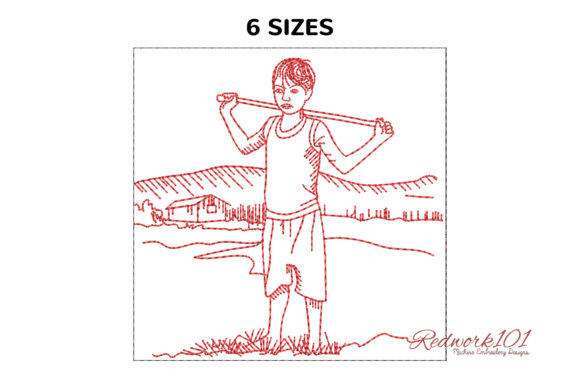
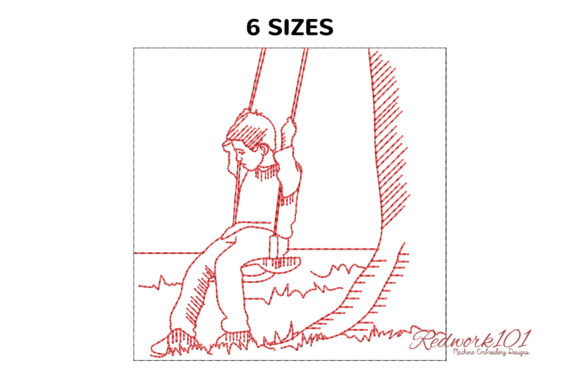
As a designer who regularly integrates embroidery files into client projects and my own shop merchandise, I always evaluate a design's practical soul before loading it into the machine. The Cute Boy Playing on Swing Redwork is a charming specimen that immediately evokes a warm, nostalgic mood. The theme is universal—pure, simple childhood joy—rendered with a gentle illustrative style. This isn’t a hyper-detailed portrait; it’s a clean, friendly shape with a clear focal point. The layout feels balanced, and the detail level is intentional: enough to give the boy character, but not so dense that it becomes a stitching challenge on textured fabrics. Its visual personality is sweet and timeless, making it a natural fit for projects where emotion matters more than complexity.
Where This Design Finds Its Home
In real-life embroidery situations, this design’s appeal becomes clear. It’s a versatile asset. I’d confidently stitch it onto a custom apparel item like a cozy sweatshirt for a personalized gift, or a simple t-shirt for a little one. It would shine on a tote bag, offering a boutique-quality touch. For baby clothes, it’s perfectly sized and thematically ideal. Consider it for a classic apron or a welcoming pillow cover in a nursery. As a holiday gift—perhaps a grandparent’s kitchen towel or a blanket—it speaks directly to the heart. For small business merchandise, this design translates easily into a sellable finished product, whether as an embroidered patch or as the centerpiece on a cap.
Its clarity makes it excellent for printable mockups and digital product previews, helping Etsy sellers and craft fair vendors showcase their work effectively. For commercial embroidery projects where recognition and giftability are key, this design delivers a professional, handmade presentation that builds customer trust. It’s the kind of motif that feels both personal and universal, increasing buyer engagement because it tells a simple, happy story.
Considerations for Stitching Success
While the design is adaptable, its application requires some practical forethought. The optional box stitch border mentioned in the description is a notable feature. In most designs, this outer box is a different color, and you can skip it if it doesn’t suit your project. This is a valuable flexibility—it allows you to treat the boy as a standalone applique design or frame him neatly. However, this means you must plan your thread color contrast carefully, especially if you omit the box.
For successful execution, always test the design on scrap fabric first. This is non-negotiable. Check how the stitch density behaves on your chosen material. Is it a thin fabric like a lightweight tee, or a stretchy fabric for activewear? Use proper stabilizer. Inspect the small details of the boy’s form on your actual hoop size. Does it maintain clarity on a dark fabric background? I recommend testing it in both light and dark fabric scenarios. For textured fabrics like towels or curved surfaces like caps, ensure the fill stitches and any satin stitch elements (if present) will lay flat without puckering.
Where should you use it carefully? On very small hoop sizes, some of the gentle details might lose definition. On dense stitch areas, if the design has substantial fill, it could become overly heavy for delicate baby items or products needing frequent washing. Always review the actual embroidery file to understand its construction.
Turning the Design into a Real-World Product
Let’s walk through a natural scenario. Imagine you’re preparing a custom embroidered tote bag for a client’s baby shower gift. You’ve selected a sturdy canvas bag. The Cute Boy Playing on Swing Redwork is your chosen motif. You decide to skip the optional outer box stitch to keep the look soft and integrated. You stitch it in a classic redwork style, perhaps using a single rust-red thread for the entire outline and detail, creating that timeless, sketched feeling. The result is instantly recognizable and feels lovingly handmade.
This approach boosts the product’s visual appeal and perceived value. The stitching clarity is excellent because the design isn’t overly busy. For your craft business, this consistency—using a design with such a clear mood—helps with brand cohesion if you specialize in nostalgic or children’s items. As a digital embroidery file, it’s a solid design asset for creators selling finished items or even the digitized design itself, provided licensing is confirmed.
Essential Designer Notes Before You Hoop
My final practical advice is always rooted in real project use. First, confirm the specifics that weren’t provided here: the exact stitch count, supported file formats, optimal hoop sizes, and machine compatibility. Second, clearly understand the license—can it be used for both personal and commercial projects? This is crucial for Etsy sellers and apparel decorators.
- Test on scrap fabric that mimics your final product’s texture.
- Review thread color choices against your fabric background—a contrast issue can undermine the whole design.
- For baby embroidery or items needing frequent washing, consider a lighter stitch density and secure finishes.
- When creating an embroidered patch, check how the design edges are defined.
- Use the design’s inherent simplicity to your advantage; it’s a giftable image that doesn’t require explanation.
The Cute Boy Playing on Swing Redwork, in essence, is a reliable, emotive tool for your embroidery project toolkit. It won’t fight you during stitching, and it will resonate with customers because its theme is genuinely sweet. Approach it with a designer’s eye for context and a maker’s hand for technique, and it will become a cherished element on many finished products.