A Hands-On Review of an Astronaut Bluework Embroidery Design
As an embroidery designer who often works on custom orders, I always approach new digital files with a practical eye. I’m looking for designs that can transition seamlessly from screen to stitch, creating finished products that are durable, visually appealing, and worth the time invested. Recently, I considered ‘An Astronaut Beside a Rocket Bluework’ for a client project. Here’s my honest evaluation, grounded in the realities of stitching for real projects.
First Impressions: Style and Potential Application
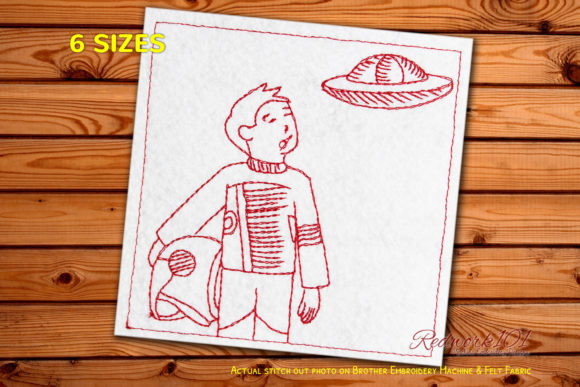
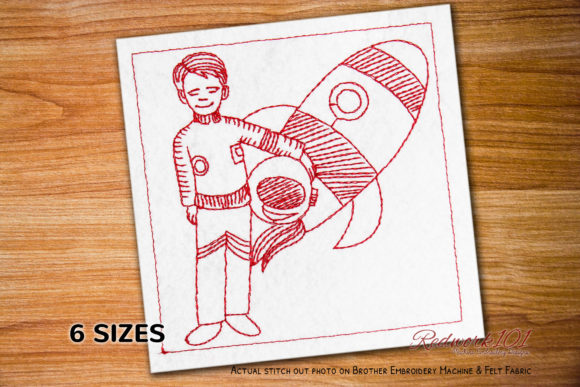
The ‘An Astronaut Beside a Rocket Bluework’ design presents a classic, illustrative style. The term “bluework” suggests a focus on line and detail rather than dense fill areas, which immediately sets a certain mood. This isn’t a hyper-realistic, heavily shaded piece; it’s more graphic and clean. That personality makes it versatile. I pictured it working well on a range of items where a bold, clear graphic is needed without overwhelming the fabric texture.
For handmade shops and Etsy sellers, this design fits a specific niche. It has a nostalgic, adventurous feel that could appeal to children’s items, gifts for space enthusiasts, or general decorative pieces. My mind went to nursery decor, baby blankets, and themed pillow covers. Its clear lines also make it a strong candidate for embroidered patches, as the design would remain distinct even when condensed.
A crucial note from the description is about the optional box stitch. The clarification that the outer box’s color varies and can be skipped is significant. This isn’t just a framing element baked into the design; it’s a customizable feature. For commercial embroidery or creating custom apparel, this flexibility is a plus. You can integrate the design into a larger composition on a tote bag or sweatshirt without a mandatory border, letting the astronaut and rocket stand alone.
Performance in Real-World Embroidery Projects
When considering a design for real use, I think about its behavior on different fabrics and surfaces.
Given its likely construction—emphasis on outlines and optional satin stitch or running stitch details—the stitch density for ‘An Astronaut Beside a Rocket Bluework’ should be manageable. On textured fabrics like canvas for tote bags or linen for kitchen towels, a design with less dense fill areas helps prevent puckering and maintains fabric integrity. For stretchy fabrics like sweatshirt material, proper stabilizer is always key, but a less dense design can be easier to stabilize successfully.
Small details are always a concern. If the design includes tiny elements like stars or intricate lines on the rocket, a test on scrap fabric is essential. This helps you decide on the minimum viable hoop size and whether the details will remain crisp on your target product. For curved surfaces like caps, the design’s overall shape and size become critical; a taller, narrow design might adapt better than a wide, square one.
The visual clarity mentioned earlier plays a huge role on dark fabric. Bluework, often using lighter thread colors for the primary design, needs strong contrast. Before stitching on a dark garment, checking thread color contrast through a digital mockup or simply laying out thread options is a must. The optional box, if used, might need a completely different thread color on dark backgrounds to frame the design effectively.
For products destined for frequent washing, like aprons or baby items, the integrity of the stitches is paramount. Designs with very long runs of satin stitch or areas of high stitch concentration can be more vulnerable to wear. A bluework-style design, with its potential for more running stitch or shorter satin columns, could offer good durability, again depending on its exact stitch construction.
Impact on Product Value and Customer Appeal
From a business perspective, the design you choose directly influences perceived value and buyer trust.
‘An Astronaut Beside a Rocket Bluework’ carries a thematic charm. When applied to a handmade product, like a personalized gift for a child’s birthday or a decorative pillow for a boutique, that specific theme creates a strong story. It elevates the item from a generic embroidered object to a thoughtful, curated product. This enhances giftability and can make your Etsy listing or craft fair product stand out.
For product photography and creating printable mockups, a clean, graphic design like this is advantageous. It renders clearly in digital assets, helping customers visualize the final item easily. This builds confidence in your brand and streamlines your sales process.
If you run a shop with a cohesive aesthetic, consistency matters. This design wouldn’t fit every brand, but for those focusing on science, exploration, children’s themes, or modern illustration, it could become a reliable part of your design assets. It can be scaled and placed consistently across different products—from caps to baby blankets—building a recognizable collection for your customers.
Practical Steps Before You Stitch
My final thoughts come with essential advice for anyone considering this Creative Fabrica embroidery file for a commercial or personal project.
First, always, always confirm the file details and licensing on the Creative Fabrica product page before selling finished items. Understand the specific formats included and your rights for commercial use. Do not assume.
Secondly, the product description provides some guidance but leaves specifics open. It mentions the box stitch is optional and that its color often differs. This means you must be prepared to make decisions in your embroidery software. You may need to isolate color stops or choose whether to include that element. This is a level of engagement that requires basic software familiarity.
Before loading the file for a client order, do a practical test run.
- Test on scrap fabric identical or similar to your final product fabric.
- Review stitch density by observing the stitched sample; are any areas too thick or too sparse?
- Confirm hoop size by running the design; does it fit comfortably in your intended hoop, or does it require a larger frame?
- Compare light and dark fabric mockups digitally or physically to finalize your thread color choices.
- Use proper stabilizer for your chosen fabric type, even for a potentially less dense design.
- Inspect small details after stitching to ensure they meet your quality standards for the final product.
‘An Astronaut Beside a Rocket Bluework’ is a design with clear potential for specific projects. Its illustrative style and structural flexibility make it a candidate for thoughtful gifts and thematic merchandise. Its performance will hinge on its exact stitch implementation, which you must explore through testing. For embroidery designers and makers looking for a space-themed, graphic element, this file warrants a close look. Download it, open it in your software, stitch it on a scrap, and see if its personality aligns with your next real-world project.