A Practical Review of the Ballet Dancer Embroidery Design
The First Impression: Where Grace Meets Whimsy
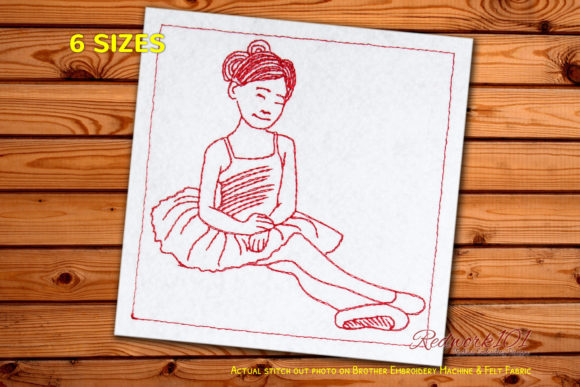
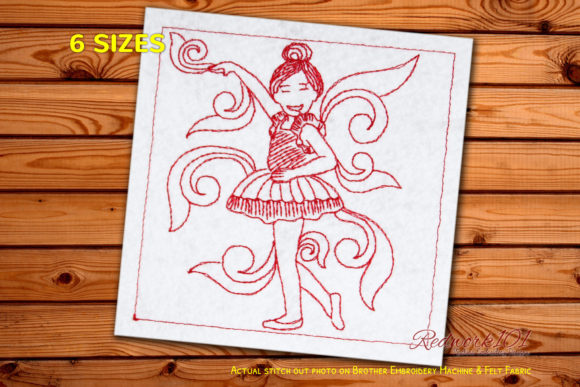
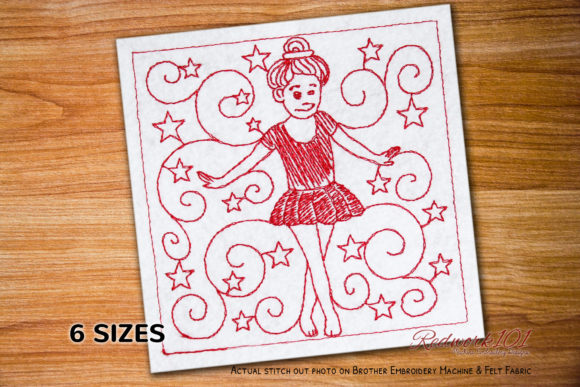
Opening the file for the Young Ballet Dancer with Starry Pattern instantly brings a sense of delicate charm. The central figure, a young dancer in mid-pose, is the clear focal point, but the surrounding starry elements elevate it from a simple silhouette to something more special. This isn't just a dance design; it evokes a mood of hopeful aspiration and gentle magic. The layout is balanced, leaving enough open space to prevent it from feeling overcrowded, which is a crucial consideration for translating a digital design into a clean, stitched product. Its visual personality feels nostalgic yet fresh—perfect for personalized gifts or boutique items targeting parents, dance students, or anyone who appreciates a softer aesthetic.
For my own craft business, I immediately pictured this on a custom apparel piece like a lightweight hoodie for a young girl or as a standout feature on a nursery pillow cover. The stitch density appears manageable; the dancer's form seems to rely on solid fills and clean outlines, while the stars offer a lighter, possibly running stitch detail. This mix suggests the design can achieve visual depth without becoming a heavy, stiff patch on softer fabrics, which is a win for comfort in wearables.
Real-World Application: From Tote Bags to Tea Towels
Let’s walk through a real scenario. I'm considering this embroidery file for a batch of tote bags I plan to sell at a local craft fair. The bags are a mid-weight cotton canvas. Here, the Young Ballet Dancer with Starry Pattern would shine. The design’s theme aligns well with a creative, feminine customer base. On a tote, its size needs to be substantial enough to be appreciated but not so large it dominates the bag’s utility. I’d likely stitch it centrally, and the optional box stitch border mentioned in the description becomes an interesting choice. If the outer box is a different color, as noted, it could either frame the scene beautifully or be omitted for a more integrated look—this flexibility is valuable for a maker.
Beyond tote bags, this design naturally fits a range of small shop products. On a baby’s embroidered blanket or a set of kitchen towels (as a gift for a dance teacher), it adds a personalized touch without being overly childish. For Etsy sellers focusing on dance-themed merchandise, it’s a ready-made design asset for sweatshirt embroidery, patches, or even holiday embroidery gifts like Christmas ornaments featuring a dancer. The key is matching the product’s texture and scale to the design’s detail level.
Where to Exercise a Bit of Caution
While versatile, there are applications where I’d proceed carefully. The design likely has some finer details—the dancer’s features, the star points. On very textured fabrics like a loose-knit sweater or on dark fabric without meticulous thread color contrast testing, these details could lose clarity. Stitch density in the fill areas should be checked; if it’s high, it might not be ideal for very thin fabric like a fine tee, as it could cause puckering or be too stiff.
Another consideration is scale on curved surfaces like caps. If the design is sized too large for a cap’s front panel, the arched shape could distort the elegant lines of the dancer’s pose. For items needing frequent washing, like kids’ apparel, ensuring the stabilizer is chosen correctly and that the stitch structure is secure is paramount—a loose running stitch on the stars might not hold up as well as a satin stitch over time. Always test the design on scrap fabric first, mimicking the final product’s material.
How This Design Elevates Your Finished Product
From a commercial perspective, the Young Ballet Dancer with Starry Pattern offers good visual appeal for a niche audience. Its specialized theme builds customer trust with buyers looking for authentic dance-related items; it feels designed with purpose, not generic. When stitched cleanly on a handmade product, it conveys a level of care that enhances perceived value. For giftability, it’s strong—it tells a story, which people appreciate in a gift.
For digital product sellers offering the file itself, providing printable mockups of this design on a sweatshirt or tote bag can dramatically boost buyer engagement, as it helps them visualize the final outcome. The design’s clarity in a stitched form, assuming good machine embroidery execution, contributes to your own brand’s consistency if you specialize in delicate, narrative designs.
Essential Designer Notes Before You Hoop the Fabric
My practical checklist before using this in any embroidery project, especially for commercial embroidery, would include these steps:
- Always test on scrap fabric first. Use both a light and dark background piece to see how the thread colors translate.
- If the description mentions an optional box stitch, experiment with and without it. Does the frame add to the handmade presentation on your specific item, or does it clutter it?
- Check the actual file for any tiny details. Inspect the dancer’s hands and face in a black and white mockup to gauge outline integrity.
- Confirm the appropriate hoop size for your machine and the physical size you intend to stitch. Don’t assume.
- Use proper stabilizer for your chosen fabric. A design with mixed stitch types needs good support.
- Critically, confirm licensing before selling finished items or digital products. Understand if the embroidery file is cleared for personal and commercial use.
Ultimately, the Young Ballet Dancer with Starry Pattern is a design with emotional resonance and practical versatility. It invites you to think about the story your finished product will tell. Whether you’re creating a personalized gift for a budding ballerina or stocking your craft business shelves with unique dance-themed aprons, this design, when stitched with attention to fabric and detail, can become a truly charming piece that feels both professional and heartfelt.