A Real Designer’s Take on the African Grey Parrot Embroidery Design
If you’re in the business of creating things that people actually want to buy or give as gifts, you know that a design file isn’t just a collection of stitches. It’s a potential product, a statement, and a piece of art that has to work in the real world. Today, I’m looking at the African Grey Parrot embroidery design from that exact perspective: as a professional deciding whether to use it for a client project or for my own shop’s merchandise.
The Immediate Impression: Sophisticated & Statement-Making
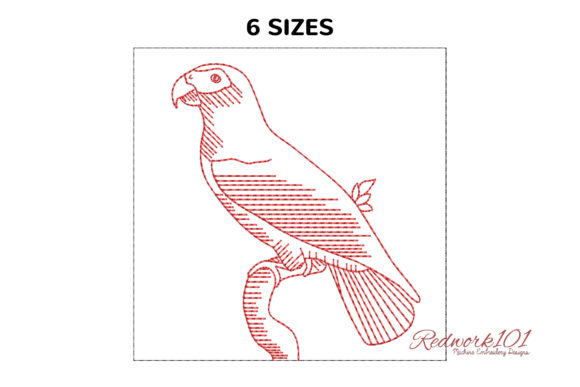
The first thing that strikes me about this African Grey Parrot design is its mood. It’s not a cartoonish bird; it carries a sense of quiet intelligence and detailed elegance. The shape and layout feel balanced and thoughtful, with a level of detail that suggests realism without being overwhelmingly dense. This visual personality tells me it belongs on projects where the recipient values sophistication—a beautiful tote bag for a book lover, a tastefully embroidered pillow cover for a living room, or a high-quality apron for someone who appreciates nature.
Where This Design Shines in Real Projects
Let’s walk through a real scenario. Imagine you’re preparing a custom embroidered sweatshirt as a personalized gift for a bird enthusiast. This design, with its clean lines and recognizable form, would be a perfect choice. It elevates a simple sweatshirt into a statement piece. The same principle applies across a wide range of products. On a tote bag, it becomes a boutique-level accessory. Stitched onto a tea towel or apron, it turns a kitchen item into a charming, giftable heirloom. For baby clothes or nursery decor, it offers a more artistic, less childish option that many parents seek.
For small business owners and Etsy sellers, this kind of design is a solid asset. It has strong visual appeal that can enhance product value in your listings. Its clarity when stitched—assuming good technique—builds customer trust because the finished product looks professional and intentional. It fits beautifully into brands centered on nature, learning, or quiet luxury, helping with brand consistency. As a holiday or wedding gift, an item featuring this parrot design feels considered and unique, which boosts its giftability and buyer engagement.
Practical Considerations for Embroidery Success
This isn’t just about where to put it; it’s about how to make it look its best. The design description mentions an optional box stitch, noting the box color is often different and can be skipped. This is a useful, practical note. It means the core parrot design is the focus, and you can avoid an extra decorative element if it doesn’t suit your project. This flexibility is great for crafters who want a clean look.
However, to ensure stitching clarity, you need to approach this design with a few key practices. Always test the embroidery file on scrap fabric first, especially if you plan to use it on a challenging material. Review the stitch density in your preview software; detailed areas like the beak or eye need to be clear. Check thread color contrast against your final fabric—this design would likely pop wonderfully on light backgrounds but may need thoughtful color adjustments for dark fabrics.
Caution Zones: Where to Use This Design Carefully
Every design has its ideal applications and its trickier ones. For this African Grey Parrot, I would be cautious on very small hoop sizes. The detail level deserves a decent scale to be appreciated. Textured or highly stretchy fabrics might blur some of the finer lines, so a robust stabilizer choice is critical. Thin fabrics could be challenged by any denser fill stitch areas, so testing is non-optional.
Layered garments with curves, like caps, present another consideration. The design’s layout is likely best suited for a flat, central placement. Intricate corners and tiny details within the design itself should be inspected in a test run to ensure your machine and thread handle them well. For products destined for frequent washing, like baby clothes or kitchen towels, you’ll want to ensure your stitch choices and stabilizer provide durability.
The Designer’s Checklist Before You Stitch
Before I commit this design to a real project, my personal checklist looks like this:
- Run a test on a scrap of my target fabric (and maybe a darker alternative) to see how the thread colors translate.
- Confirm the hoop size I plan to use allows the design to breathe and remain clear.
- Inspect the small details in the test stitch—are the parrot’s features distinct?
- Consider creating a black and white mockup to see how it would look as a graphic, beyond color.
- Use the proper stabilizer for my specific fabric to prevent puckering or distortion.
- And crucially, verify the licensing terms of the digital embroidery file if I am creating finished products for commercial sale or using it as a design asset in my craft business.
Final Thoughts for Makers & Entrepreneurs
The African Grey Parrot embroidery design, from a practical designer’s viewpoint, is a strong contender for projects that require a touch of intelligent elegance. It’s not a flashy, hype-driven graphic; it’s a refined piece that can elevate handmade products and personalized gifts. Its success hinges entirely on your embroidery technique and thoughtful project pairing. By treating it as a professional design asset—testing thoroughly, choosing the right product canvas, and respecting its detailed nature—you can create finished embroidery that delights customers and strengthens your reputation as a maker who delivers quality. Whether for an Etsy listing, a craft fair product, or a special custom apparel order, this design has the potential to become a trusted part of your creative toolkit.