An Embroidery Designer’s Review of the Anchor Design
As a designer who creates personalized gifts for a living, I take every new embroidery file through a thorough test before it ever meets a customer’s fabric. Today, I’m looking at the Anchor Design, a machine embroidery design from the Pirates category. My goal is to see how it holds up in real-world gift scenarios—from baby blankets to wedding keepsakes. Here’s my practical, hands-on review from the perspective of running a small embroidery shop.
The First Glance: Charm and Mood
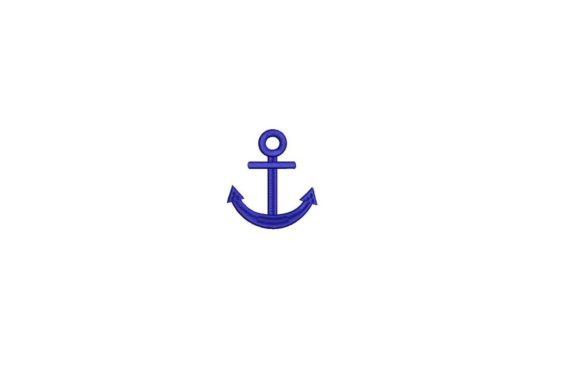
The moment I opened the Anchor Design, I felt its classic, sturdy charm. It carries a sense of heritage and handcrafted durability, which is perfect for gifts meant to last. The detail level is impressive, suggesting a design that will translate into a finished product with perceived value. It feels neither overly sweet nor strictly modern; it occupies that lovely middle ground of elegant tradition. This emotional appeal is key. When a customer is looking for a meaningful embroidered gift—a pillow cover for a nautical-themed nursery, an apron for a home chef, or a towel set for a wedding—this design whispers "handmade quality" and "family keepsake" rather than shouting it.
Where This Design Shines in a Gift Shop
The versatility promised by the multiple embroidery file formats and sizes is a shop owner’s dream. I immediately started planning applications. For baby embroidery, it could anchor a beautiful blanket or a delicate nursery wall hanging. For wedding gifts, imagine it monogrammed with a couple’s initials on a set of kitchen towels or pillow covers. As a family keepsake, it would be stunning on a custom tote bag or an heirloom-quality apron.
This design isn’t just for home use. For the Etsy seller or craft fair vendor, it’s a ready-made product line. You could create entire collections: themed towel sets, decorative pillow covers, personalized baby items. The ability to use it in multiple formats means you can adapt it to different machines, making production smoother. Creating a printable mockup for your online listing to show customers a preview on a towel or blanket would be simple, boosting buyer engagement and trust before they even order.
Careful Application: A Designer’s Notes on Execution
With any digital embroidery file, success comes from knowing where to use it carefully. The Anchor Design’s details demand attention in a few key areas. On small lettering or any delicate details within the design, a test on scrap fabric is mandatory. I would pay close attention to stitch density on textured fabric like thick towels, as well as on stretchy baby clothes. A curved surface, like on a tote bag, requires the right stabilizer and hoop technique to prevent distortion.
Working on dark fabric requires thoughtful thread color contrast for the design to pop. And for any product destined for frequent washing—like kitchen towels or baby blankets—a post-stitching check of all small details is crucial to ensure durability. These practical steps protect your handmade quality and the customer’s emotional connection to the item.
The Giftability Factor: Why Customers Will Love It
How does the Anchor Design affect giftability? Profoundly. A well-embroidered pillow or blanket featuring this design moves from a simple commodity to a cherished personalized gift. It elevates the perceived value instantly. In product photography for your small shop, the clean, classic lines will look professional and appealing, helping customers visualize it in their own homes. This builds customer trust in your craftsmanship.
The design inherently supports an emotional connection. It’s not a generic motif; it’s a symbol that can be tied to a family name, a new home, or a special occasion. For the buyer of a wedding gift or a nursery item, that’s the entire point—they’re purchasing a memory, not just a product. Your skillful execution with the right thread colors and on the perfect fabric makes that memory tangible.
My Practical Embroidery Checklist Before Selling
Before I would ever list a product using the Anchor Design, my workflow involves several non-negotiable steps. First, a physical test on a scrap of the actual target fabric (like towel material or blanket fleece) to check hoop size requirements and overall appearance. Second, comparing light and dark fabric mockups to plan my thread inventory. Third, confirming the exact capabilities of the embroidery file formats provided for my specific machine.
Most importantly, I must check the commercial licensing terms for this design. Since the product description notes it can be used in multiple ways, I need to confirm that selling finished products like embroidered towels or pillow covers is permitted. This is the foundation of a legitimate small business. Only after verifying that, and ensuring my stitch results are perfect, would the Anchor Design go live in my shop as a ready-made option for custom embroidery orders.
A Design Anchored in Possibility
In the world of personalized gifts, a machine embroidery design is more than a digital file; it’s a tool for creating connection. The Anchor Design, from the Pirates category, proves to be a versatile and emotionally resonant tool. Its classic aesthetic suits a wide range of customers—from the new parent wanting a unique baby embroidery to the friend seeking a thoughtful wedding gift.
For the embroidery maker, gift shop owner, or digital product seller, it offers a solid foundation for a product line. The key, as always, is in the careful preparation: testing, checking, and confirming every detail from stabilizer choice to commercial use rights. When handled with that care, the Anchor Design has the potential to become a trusted anchor in your own collection of handmade products, reliably delivering quality and charm for every customer who seeks a gift with meaning.