An Expert Review of Halloween Hunted House Embroidery Design
As an embroidery designer who works with small businesses every day, I look at every new digital embroidery file with a practical eye. When a design arrives on my screen, my first question isn't just "is it pretty?" but "can it build a brand and sell a product?" Today, I'm evaluating the Halloween Hunted House Design from that exact perspective, imagining its journey from a computer file to an embroidered patch on a boutique apron or a cap for a local café's seasonal promotion.
First Impression: Visual Personality for Business Use
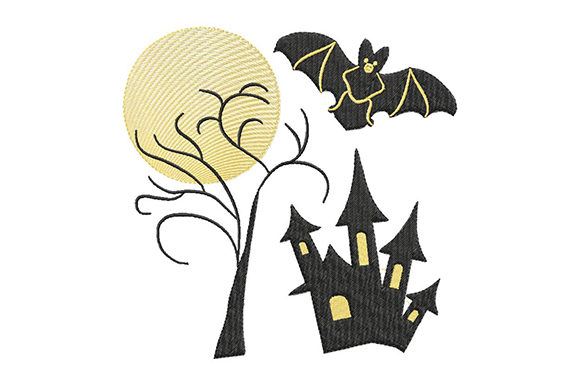
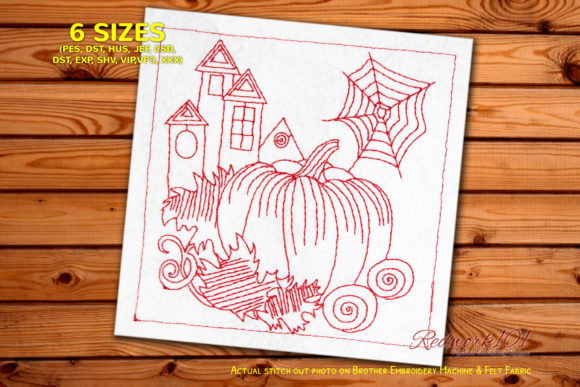
The Halloween Hunted House Design immediately conveys a playful, classic Halloween aesthetic. The description noting that the outer box stitch is optional is a crucial detail from a designer's standpoint. This means the core haunted house graphic can stand alone, offering a cleaner, more focused brand mark. For a business, this flexibility is a significant asset. You can choose a bold, bordered look for a primary logo patch, or a more integrated, seamless design for a subtle sleeve accent. The name suggests a friendly spookiness—not overly scary, but nostalgic and engaging. This makes it suitable for businesses wanting a seasonal, approachable vibe, from a family-run bakery to a creative studio hosting October workshops.
Real-World Application for Small Business Merchandise
This is where the Halloween Hunted House Design truly needs to prove its worth. Let's walk through common scenarios.
Embroidered Patches and Branded Product Labels
A custom embroidered patch is a powerful tool for a handmade brand or Etsy seller. This design, with its central haunted house iconography, could become a superb seasonal product label sewn onto tote bags, aprons, or limited-edition merchandise. Its potential as a standalone patch means it can be applied to various items, creating visual consistency across your product line. However, the optional box stitch requires a decision: including it adds a defined border that can make the patch feel more official and "finished," especially on fabric with a similar color. Omitting it allows the design to blend more organically into the garment, ideal for a rustic, handmade presentation on a work shirt or apron.
Uniforms, Caps, and Apparel Decoration
For staff uniforms during a Halloween event or seasonal promotion, this embroidery file offers a clear focal point. On a cap front, the design's density and detail need careful consideration. You must test it at a small size to ensure the haunted house details remain crisp and legible on a curved surface. On a chest or sleeve of a polo shirt for a café or boutique, it acts as a festive brand accent that builds customer recognition and signals a special, limited-time identity. The color contrast mentioned in the description—where the outer box is often a different color—is vital here. On a dark uniform, you'll need to ensure the main design and any border have sufficient thread color contrast to pop.
Tote Bags, Aprons, and Customer Gifts
These items are staples of small business merchandise. The Halloween Hunted House Design embroidered on a tote bag becomes a functional piece of event merch or a customer gift. For an apron, it transforms a utilitarian item into branded, premium product. The design's visual theme is inherently decorative, which adds perceived value to the finished product. A florist or pet brand using this on a limited-edition October tote creates a memorable, seasonally-appropriate asset that customers will associate with your business.
Strategic Considerations and Caution Areas
Professional embroidery means anticipating challenges before the needle hits the fabric.
Scale, Density, and Fabric Compatibility
Always test this design in black and white first. This simple step reveals the fundamental structure, spacing, and density without the distraction of color. You must verify it works at a small patch size—does the haunted house maintain its character when stitched at 2 inches? Check the stitch density; high density on lightweight fabrics like caps can cause puckering. Consider the fabric texture: a detailed outline on a textured fabric like a canvas tote might need adjustments. Items destined for frequent washing, like staff shirts, require robust stitching; review the design's stability in this context.
Integrating into Your Overall Brand Identity
While this is a Halloween-specific design, its use affects your broader brand. For a month, it becomes a key part of your visual identity. Does its playful, classic style align with your business's usual professionalism? It can enhance customer engagement through novelty and seasonal relevance, boosting the perceived value of your merchandise. However, use it carefully. Placing it beside your permanent logo assets on a website or printable mockup should feel cohesive, not disjointed. It should complement, not clash with, your brand's existing colors and feel.
Practical Designer Notes for Commercial Use
Before you run this machine embroidery design for any commercial embroidery project, follow this checklist.
- Create a physical test. Hoop the recommended size, use proper stabilizer, and stitch it on the actual fabric you plan to use—be it twill for a patch, cotton for a shirt, or denim for a cap.
- Review thread color contrast meticulously. Plan your palette. If using the optional box stitch with a different color, ensure it enhances, not overwhelms, the central graphic.
- Create a digital mockup for client approval. Show your small business client how the Halloween Hunted House Design will look on their specific merchandise—an apron, a cap, a tote. This prevents miscommunication.
- Confirm all technical and legal details. The product description provides some operational notes, but you must verify the critical specifics: the exact file formats, the commercial licensing terms for this digital embroidery file, and any recommended hoop sizes. Do not proceed without confirming these.
- Compare it in context. Place a stitched sample beside your client's other design assets. Does it hold its own as a professional, branded element?
In conclusion, the Halloween Hunted House Design presents a versatile, theme-strong graphic with smart optional features. For a small business looking to create seasonal branded patches, merchandise, or uniform accents, it offers a solid foundation. Its success hinges entirely on your professional application: thorough testing, thoughtful color selection, and strategic placement. When executed with care, it can become a valuable, revenue-generating part of your Halloween product lineup, building customer trust through quality craftsmanship and cohesive seasonal branding.