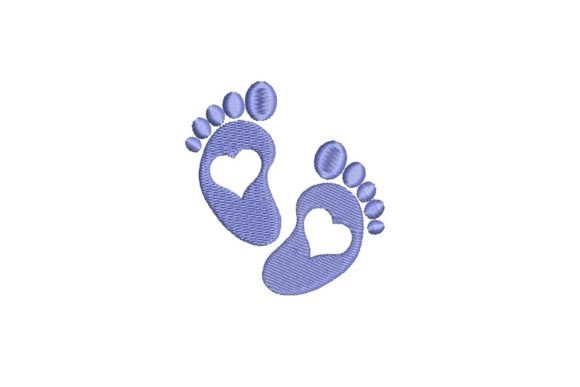
Baby Feet with Hearts Embroidery Design Review
As a professional embroidery designer who works with small businesses daily, my first task with any new design is to evaluate its potential for real-world branding and merchandise. When reviewing the Baby Feet with Hearts embroidery design, my immediate impression is one of playful warmth and approachable charm. The theme inherently conveys a sense of care, gentleness, and affection. For a business, this translates into a friendly, heartfelt brand personality. It feels handmade in spirit, yet the description notes it was created for an embroidery machine, suggesting a clean, professional execution suitable for commercial use.
Visual Personality for Brand Identity
The Baby Feet with Hearts concept is inherently nostalgic and sweet. For a business, this visual language can be powerful. Imagine a small boutique selling children’s goods, a creative studio specializing in family photography, a bakery with a focus on birthday cakes, or a florist creating arrangements for new parents. This design isn’t just decorative; it’s an emotional cue. Stitched onto an apron, it says the business cares about its community. On a tote bag, it feels like a thoughtful, premium gift. As a small patch on a staff uniform, it adds a touch of personality without overwhelming the professional look.
It’s important to consider how this embroidery design affects customer trust and recognition. A consistent, well-embroidered logo or accent builds visual consistency. The playful nature of Baby Feet with Hearts can make a brand feel more relatable and human, which is invaluable for handmade product sellers, Etsy shops, and local cafés wanting to connect with their audience.
Practical Applications in Small Business Merch
Based on the product description—that it comes in many sizes and multiple embroidery file formats—the Baby Feet with Hearts design is versatile for custom apparel and branded items. Here’s how I envision it performing in typical business scenarios:
- Embroidered Patches: This is a prime use. A patch can be applied to aprons, caps, tote bags, or even as a product label accent. The availability of multiple sizes means you can select a smaller version for a subtle sleeve detail on a work shirt or a larger one for a central tote bag mark.
- Staff Uniforms & Aprons: As a chest logo accent or an apron design, it adds brand identity without being overly corporate. For a pet brand or children’s boutique, it reinforces the niche.
- Cap Embroidery: Test the smallest size file for the curved front of a cap. The design’s likely compact shape (baby feet with hearts) should adapt well if the stitch density is managed.
- Tote Bag Design: A medium or large size stitched onto a canvas tote creates excellent small business merch, perfect for customer gifts or event merch.
- Product Packaging & Mockups: Use the digital embroidery file to create printable mockups for client approval before stitching on real fabric. This is crucial for commercial embroidery projects.
Critical Considerations for Professional Results
While the design promises versatility, a professional always tests and plans. The product category listed as “Boys” is a thematic note, but the design’s application is far broader. Here are my practical embroidery designer notes for using Baby Feet with Hearts for business:
- Test at the Small Patch Size First: Before committing to a bulk order of patches or uniform embroidery, stitch out the smallest available size. Check if the details—like the hearts—remain clear and the outlines are intact.
- Review Thread Color Contrast: The design might use multiple colors. Always test it in black and white thread first on your actual fabric to gauge contrast and readability, especially if applied to dark uniforms or textured fabrics like denim tote bags.
- Inspect Spacing and Stitch Density: High stitch density in a small area can make a patch stiff and unsuitable for curved surfaces like caps. The description doesn’t specify exact counts, so you must evaluate this through a test run.
- Confirm Hoop Size and Use Proper Stabilizer: Match the design size to an appropriate hoop. Using the correct stabilizer for the fabric texture—whether for a lightweight apron or a thick canvas bag—is essential for a clean finished product.
- Compare It Beside Other Design Assets: If this is part of a larger brand identity, stitch it out and place it beside your other logos or graphics to ensure visual harmony.
- Confirm Commercial Licensing Before Business Use: The description states it can be used in multiple applications, but I always advise my clients to explicitly check the license terms of any embroidery file before using it for commercial embroidery and selling branded merchandise.
Where to Use with Extra Care
Some applications require more forethought. Use Baby Feet with Hearts carefully on:
- Items that Need Frequent Washing: Staff uniforms and aprons are laundered often. Ensure the thread colors are durable and the stitch structure is secure.
- Very Small Patch Sizes on Textured Fabric: If the fabric has a pronounced texture, tiny details might get lost.
- Dark Uniforms: Without sufficient contrast, a light-colored design on a dark background may need an underlay or specific thread choices to pop.
- As a Standalone Logo for a Non-Niche Business: For a general business not related to children, family, or care, the thematic element might confuse branding. It’s best used as an accent for relevant businesses.
Final Thoughts for Merch Creators
The Baby Feet with Hearts embroidery design holds significant potential for businesses whose brand identity aligns with its warm, playful vibe. Its technical versatility—coming in many sizes and formats—makes it a practical design asset for embroidery shops and apparel decorators servicing boutiques, handmade shops, and creative studios. The key to success is treating it as a professional branding tool: test thoroughly, consider its placement, and integrate it thoughtfully into your small business merch strategy. When executed well on quality items, it can enhance product value, boost handmade presentation, and genuinely engage your buyers.