Reviewing the Baby Unicorn Embroidery Design for Real Projects
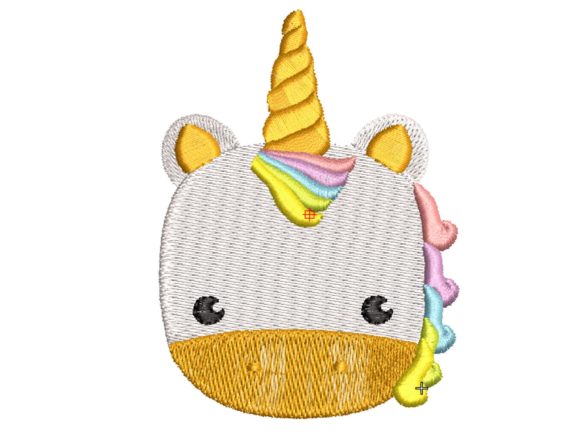
When you're browsing through embroidery files for a project, whether it's for a custom order or a new product line, the initial visual impression is everything. The Baby Unicorn design from the Baby Animals category immediately presents a soft, whimsical mood. Its charm lies in a gentle, decorative appeal that feels inherently suited for gifts and nursery-centric items. This isn't a bold, graphic emblem; it’s a stitching personality that whispers rather than shouts, making it a natural fit for projects where tenderness is the primary selling point.
Where the Baby Unicorn Design Naturally Finds Its Home
As an embroidery designer considering a file for commercial use, the first question is: what will this look like on a finished product? The Baby Unicorn embroidery design feels destined for a specific niche of handmade goods. Its delicate aesthetic aligns perfectly with baby blankets, pillow covers for a nursery, or as a sweet accent on a child’s sweatshirt or cap. For Etsy sellers and boutique owners, this design could elevate simple items like kitchen towels or aprons into themed, giftable products—think a “baby’s first kitchen helper” apron or a commemorative towel. The design’s decorative appeal also makes it a strong candidate for tote bags aimed at mothers or as a focal point on a seasonal handmade gift, like a holiday-themed pillow.
It’s worth considering, however, that its very softness might limit its application on more rugged or masculine apparel. This isn't a critique, but a practical observation: knowing a design’s natural habitat helps you market it effectively.
Practical Performance on Real Fabrics and Products
Moving from the visual to the physical, how might this machine embroidery design perform when the needle hits the fabric? This is where the true review begins. Without specific stitch count or density details from the product page, we must rely on general principles and careful testing.
Considering Stitch Density and Fabric Type
Designs with a cute, detailed look like this Baby Unicorn often employ satin stitch for outlines and fill stitch for areas like the unicorn’s body or mane. On textured fabrics like a woven tote bag or a terry cloth kitchen towel, these stitches can hold up beautifully, adding a lovely tactile element. On stretchy fabrics, however, such as a baby sweatshirt, the success hinges entirely on using the proper stabilizer and potentially adjusting hoop tension to prevent puckering. For dark fabric applications, the thread color contrast becomes paramount; a pastel-themed unicorn might require a bolder color palette shift to maintain visibility and appeal.
Navigating Small Details and Hoop Sizes
A critical point for commercial embroidery is the scale. If the design includes tiny lettering or very small, layered details (like a tiny horn or eye), stitching it on a curved cap surface or a small hoop size for a baby cap could present challenges. Dense stitch areas, if present, need to be assessed on scrap fabric first to ensure they don’t overwhelm lightweight materials like those used for baby blankets. Inspecting these small details after a test run is a non-negotiable step. It protects your final product quality and, ultimately, buyer trust.
Impact on Product Value and Customer Perception
Using a well-executed digital embroidery file like Baby Unicorn can significantly affect your product’s perceived value. For creative entrepreneurs, the finished product’s visual appeal directly influences giftability and customer engagement. A neatly embroidered unicorn on a crisp pillow cover photographs beautifully for Etsy listings or printable mockups, enhancing your brand’s consistency for nursery decor or handmade children’s products. This kind of detail fosters buyer trust—it shows care and craftsmanship.
However, the opposite is also true. If the design stitches out poorly due to unforeseen density issues or misalignment on a specific fabric, it can undermine your handmade presentation. That’s why the practical notes below are not just suggestions; they are essential for protecting your business reputation.
Essential Pre-Stitching Checklist
- Test on Scrap Fabric: Always run the embroidery file on a scrap of your target material (and its stabilizer) first. This reveals any issues with stitch density or thread tension.
- Check Color Contrast: Plan your thread colors thoughtfully. Compare how the design will look on both light and dark fabric mockups mentally, and test if needed.
- Confirm Hoop Size: The product details should list a compatible hoop size. If not, you must deduce the minimum size from your test run to ensure clean framing.
- Review File Details & Licensing: Before selling any finished items, meticulously confirm the file formats and the licensing terms on the Creative Fabrica product page. Understanding the license for commercial embroidery is foundational to your business legality.
- Inspect After Stitching: Look closely at the embroidered sample. Are any small details lost? Is the satin stitch smooth? This final inspection dictates whether the design is ready for your customer’s order.
Final Thoughts for the Working Designer
The Baby Unicorn embroidery design from Creative Fabrica presents a charming opportunity for specific product lines. Its visual mood is unarguably appealing for baby items, feminine gifts, and soft decor. Its value in your workflow depends entirely on your due diligence. For projects like a custom apron for a baby shower gift or a line of embroidered patches for a craft fair, it could be a delightful asset. For heavy-duty apparel or large-scale, bold branding, it might not align.
The key takeaway is this: approach it as a professional. Download it, test it rigorously on your intended application—be it a tote bag, sweatshirt, or baby blanket—and evaluate its performance against your standards for handmade product quality. That honest, hands-on evaluation will tell you definitively if this Baby Unicorn is worth saddling up for your next project.