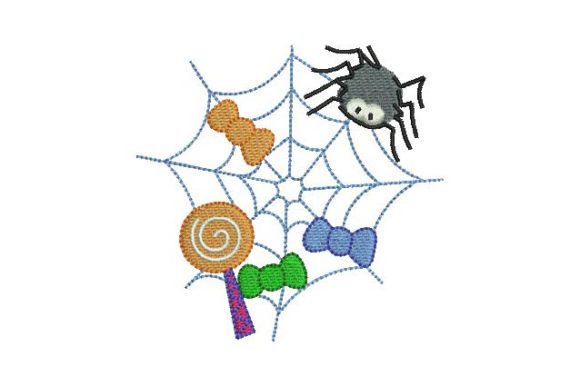
Spider Web with Candies Embroidery: A Halloween Treat
When a new embroidery file lands in my library, I don’t just look at the preview—I imagine it stitched out. How will the satin stitches lay? Will those small details hold up on a sweatshirt? What kind of customer will smile when they see it? That’s the lens I’m using today for ‘Spider Web with Candies.’ At first glance, it’s a charming, playful Halloween design, but let’s dig into where it truly shines and where you need a careful plan.
The Immediate Mood: Playful, Not Spooky
This isn’t a creepy, haunted house spiderweb. The inclusion of candies instantly shifts the tone. It’s festive, sweet, and perfect for the kind of Halloween celebration that’s about treats and fun. The layout feels balanced for a 4x4 hoop, with the web providing a structured frame and the candies offering pops of color and detail. The personality is lighthearted, which opens up a wider range of applications. I’m thinking immediately of children’s apparel, as the description notes, but also of gifts and products for anyone who prefers a brighter holiday vibe.
A Real Project Scenario: The Boutique Holiday Tote Bag
Let’s say I’m preparing a batch of embroidered tote bags for a small shop’s Halloween collection. I want something unique that stands out from the typical ghost and pumpkin motifs. ‘Spider Web with Candies’ comes to mind. On a natural canvas tote, the design would offer a sophisticated yet whimsical touch. The web structure provides a clean, recognizable shape, while the candies add a custom, handmade detail that buyers love. It feels more like a boutique product than a generic holiday item. In this real-life use, the design’s success hinges on stitch clarity. The candy details need to be distinct, not blurred into a dense fill stitch mound.
Where This Design Will Perform Brilliantly
For crafters and small business owners, picking the right product for a design is half the battle. Here’s where I believe ‘Spider Web with Candies’ will excel.
- Children’s & Family-Focused Apparel: Obviously, kids’ sweatshirts, t-shirts, and baby bibs are prime territory. The friendly aesthetic is key.
- Home Goods with a Flat Surface: Pillow covers, tea towels, or apron pockets. The 4x4 size is ideal for these, and the design becomes a decorative accent rather than a central logo.
- Personalized Gifts: Imagine this embroidered on a blanket or a nursery decor item for a Halloween baby. It becomes a keepsake.
- Embroidery Patches: Stitched out on firm stabilizer and applied as a patch, it could adorn caps, backpacks, or jackets with great results.
- Light-Colored or Mid-Weight Fabrics: The design will likely have excellent visual appeal on cottons, linens, and stable polyester blends where thread contrast is high.
The Practical Considerations: Where to Proceed with Caution
Every design has its limits, and acknowledging them saves time, thread, and customer satisfaction. Based on the theme and typical composition of a file like this, I’d advise careful testing in a few scenarios.
- Very Small or Textured Fabrics: While the hoop size is 4x4, if you try to scale it down significantly for a tiny baby item, those candy details might get lost. On highly textured fabrics like some sweaters, the fine web lines could break up.
- Stretchy or Thin Fabrics: Activewear or thin t-shirts require perfect stabilizer and tension to prevent the fill stitches from puckering, especially in a circular web design.
- Dark Fabric Backgrounds: This is a color judgment. If the design uses primarily light-colored threads, stitching it on a black sweatshirt might require a bold underlay or choosing different thread colors to maintain that playful, candy-like brightness.
- Products for Frequent, Heavy Washing: For items like kitchen towels or kids’ clothes that will be washed often, the density and integrity of the stitches matter. A well-digitized file is crucial here—you’d want to test a sample for durability.
Turning a File into a Trusted Finished Product
How does a design like this affect your craft business or customer trust? A well-executed embroidery of ‘Spider Web with Candies’ on a product speaks to attention to detail. The combination of a recognizable symbol (the web) and a unique twist (the candies) boosts perceived value. It looks like a thoughtful choice, not a stock image. For an Etsy seller or craft fair vendor, this differentiation is vital. It enhances giftability and can become a recognizable part of your brand’s holiday collection.
Notes from the Embroidery Machine: A Designer’s Checklist
Before I’d run this file for a client project or my own merchandise, here’s my practical workflow. I recommend you adopt a similar process.
- Stitch It Out on Scrap First: Always. Use the fabric you intend for the final product. Check for puckering, thread breaks in fine lines, and the true appearance of the candy details.
- Evaluate Thread Color Contrast: The preview is a guide. On your actual fabric, do the colors pop as intended? Would a slight adjustment to thread choices make it better?
- Inspect the Small Details: Zoom in on the stitched sample. Are the candy shapes clear? Is the web’s running stitch or satin stitch outline clean?
- Consider Light and Dark Backgrounds: If you plan to offer the product on multiple fabric colors, test both. The design might need different thread palettes for each.
- Confirm Your Licensing Rights: The description provided doesn’t specify license terms. Before selling finished tote bags or baby bibs with this design, you must confirm whether the digital embroidery file is for personal use, commercial use, or both. This is a critical step for any commercial embroidery project.
- Think Beyond the Apparel: Could this design work as a printable mockup for your digital product shop? Would it be a strong visual on your website as a design asset? Its playful clarity might serve multiple roles in your creative business.
‘Spider Web with Candies’ strikes me as a versatile, mood-setting Halloween embroidery design. Its true worth isn’t just in the digital file, but in how you apply it—with the right stabilizer, on the right fabric, for the right product. When you match it thoughtfully to a project, it will stitch up into a finished product that feels both festive and professionally made, a combination that always delights customers and elevates your handmade presentation.