The Baton Rouge Temple: A Design for Faithful Expression
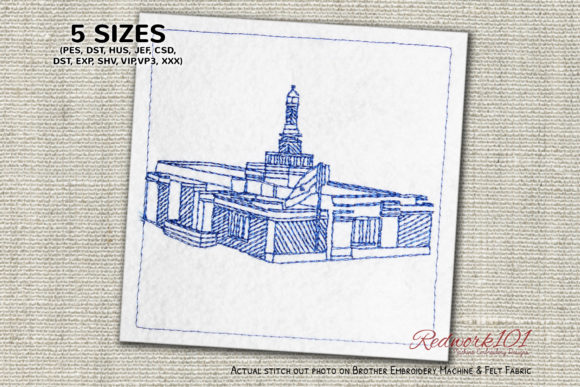
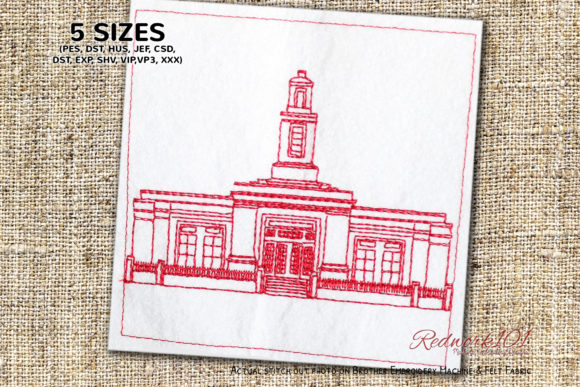
When a new embroidery file lands in my library, I approach it not as a digital asset, but as a future physical object. My first question is always: what will this become? With the Baton Rouge Louisiana Temple design, that answer felt immediate. This is a design destined for meaningful, personal expression. Its clean, architectural lines and dignified presence create a mood of reverence and pride, making it a natural choice for projects meant to commemorate faith, heritage, or a special connection to place.
Where This Design Finds Its Home
The layout is thoughtfully balanced, offering clarity without excessive detail. This isn't a hyper-realistic rendering; it’s a symbolic representation that translates beautifully into stitch. This makes it incredibly versatile for real-life embroidery situations. I instantly pictured it on the breast of a classic cotton polo shirt—a subtle, elegant statement. It would anchor the front of a canvas tote bag with authority, becoming a daily companion. For a baby blanket or a child’s keepsake pillow, the design’s gentle solidity offers a beautiful, protective symbolism.
Considering the craft business angle, this is a strong candidate for small shop merchandise. An Etsy seller specializing in faith-based gifts could offer this embroidered on a premium kitchen towel or a linen apron, creating a product that feels both useful and sacred. As a boutique offering for a wedding gift or a holiday present, it carries a weight of personalization that generic designs lack. For apparel decorators, it’s a straightforward design to position on sweatshirts, caps, or jackets, likely resonating deeply with a specific community.
A Practical Fit for Commercial Projects
From a commercial embroidery perspective, the design’s likely stitch composition—a combination of fill stitches for the structure and satin stitches for outlines and lettering—suggests it will produce a clean, professional result. The note about the optional box stitch is a valuable designer insight. That outer frame can be a powerful tool for visual separation on busy fabrics, or it can be omitted for a more integrated, minimalist look. This flexibility is a boon for adapting the design to different product contexts, from a dense denim jacket to a delicate tea towel.
Careful Considerations Before Hooping Up
While the design is adaptable, its successful application requires some standard professional checks. On textured fabrics like sweaters or blankets, the finer details, particularly any small lettering for “Louisiana Temple,” could lose clarity. A robust stabilizer choice is key here. Stretchy fabrics, like t-shirts, demand careful hoop tension and possibly a cutaway stabilizer to prevent puckering around the denser fill areas of the temple structure itself.
Dark fabric backgrounds are a classic challenge. This design, with its presumably lighter fill colors for the temple, will need excellent thread color contrast to pop. Always test on a scrap of your actual project fabric first. I’d also be cautious about scaling it down for very small hoop sizes. Reducing it too much for a cap’s curved surface or a tiny patch could compromise the integrity of those architectural lines and make the lettering illegible. The design’s strength is in its readable symbolism; shrinking it beyond a point risks losing that.
Turning a Digital File into a Trusted Product
How does this affect the final product’s value? For a customer, an embroidered item featuring this temple design isn’t just decoration; it’s an emblem. This directly impacts buyer engagement and trust. A handmade product carrying this symbol, executed cleanly with good stitch coverage and thoughtful placement, feels intentional and high-value. It elevates a simple tote bag from a commodity to a cherished item. For the maker or small business owner, it reinforces brand consistency if you specialize in dignified, faith-inspired goods.
Its giftability is high. It speaks a specific, heartfelt language. A parent receiving a baby bib embroidered with this, or a family receiving a holiday pillow cover featuring it, would recognize the care behind the choice. This isn’t a generic floral motif; it’s a design loaded with personal recognition.
Notes from the Worktable
Before running this machine embroidery design for a client project or your own product line, do your homework. First, stitch it out on a scrap of your intended fabric. This reveals everything: thread color interaction, stitch density behavior, and the true clarity of details. Check how it looks in both light and dark backgrounds; sometimes a slight color adjustment can make a world of difference. Create simple black and white mockups to visualize placement on different products—this helps sell the idea digitally before you stitch.
Crucially, confirm the licensing terms for this digital embroidery file. Is it cleared for commercial use, allowing you to sell the finished embroidered tote bags, caps, and pillows? Or is it for personal use only? This is the foundation of any professional or business application. Never assume.
The Baton Rouge Louisiana Temple design is a straightforward, potent tool for expression. In the right hands, on the right product, stitched with care, it transforms from a digital asset into a physical testament of faith and connection. It’s a design that asks the maker to consider not just the technical specs, but the meaning it will carry once it leaves the hoop.